
What Does BS5839 Require?
BS5839 is the British Standard governing the design, installation, commissioning, and maintenance of fire detection and alarm systems. For commercial premises, it outlines clear requirements for the frequency of system servicing and the scope of those service visits.
Minimum Service Frequency
BS5839 requires a minimum of two professional service visits per year for commercial fire alarm systems — one every six months. Some higher-risk premises or more complex systems may require more frequent visits.
Weekly Testing Obligation
In addition to professional servicing, BS5839 requires that a nominated member of staff carries out a weekly test of the alarm system — activating one call point per week on a rotational basis and recording the result in the system log book.
It is the responsibility of the building owner, employer, or occupier — the responsible person under the RRO 2005 — to ensure maintenance obligations are met. Failure to maintain your system can invalidate your insurance and expose you to regulatory enforcement.
What a GMSE Maintenance Visit Includes
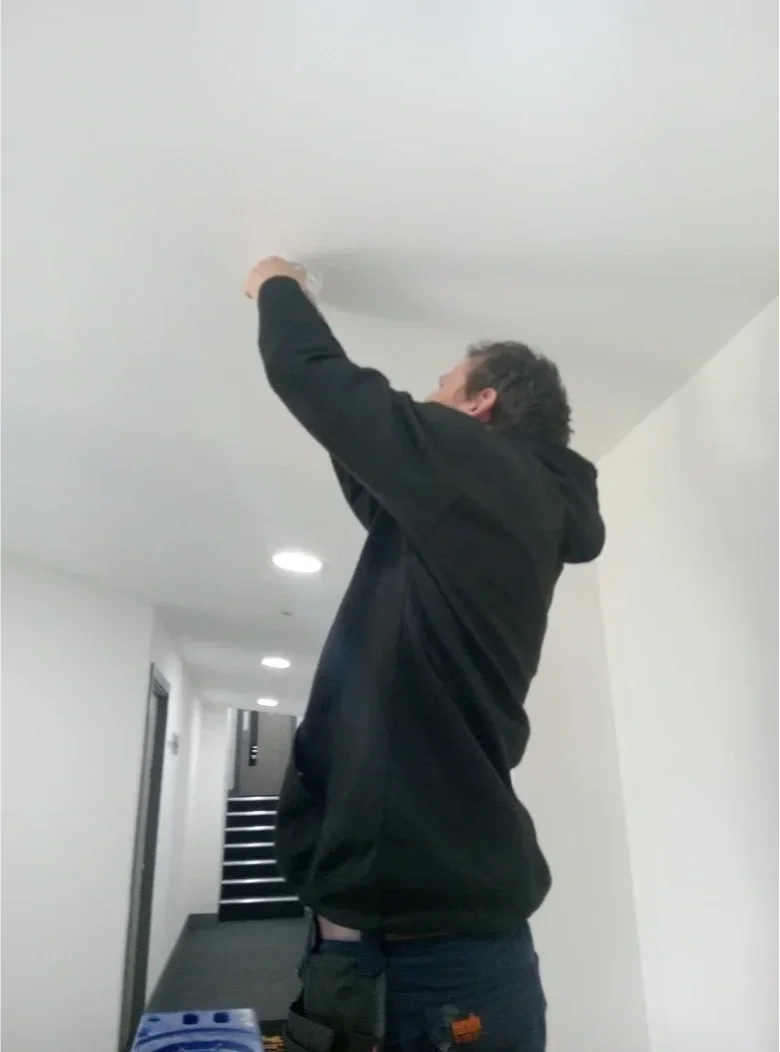
Every GMSE fire alarm service visit is carried out by a BAFE-certified engineer and covers all of the checks required under BS5839. Here's exactly what we do at every visit:
✅ Battery Backup Test: We test the standby battery to confirm it will maintain the system for the required duration in the event of a mains power failure.
✅ Full Detector Testing: Every detector on the system is individually tested - smoke, heat, and multi-sensor devices - to confirm correct operation and sensitivity.
✅ Sounder & Beacon Check: All sounders and visual alarm devices are tested to confirm they activate correctly and at the required volume and intensity.
✅ Cause & Effect Verification: We verify that all cause and effect programming is operating correctly, including HVAC shutdown, door releases, and any other integrated systems.
✅ Control Panel Inspection: The control panel is inspected for faults, error logs, and any indications of system degradation or component failure.
✅ False Alarm Analysis: We review the system's false alarm history and advise on any steps to reduce unwanted activations - important for businesses subject to false alarm charges.
✅ Log Book Update: The system log book is updated with a full record of the service visit, findings, and any recommendations - essential for demonstrating compliance.
✅ Service Certificate Issued: A BS5839-compliant service certificate is issued after every visit - required by most insurers and available for regulatory inspections
The Risks of Not Maintaining Your Fire Alarm
Skipping or delaying fire alarm maintenance isn't just a compliance issue - it carries real financial and legal consequences for the responsible person.
Insurance Implications
Most commercial insurance policies require fire alarm systems to be maintained in accordance with BS5839. If your system is not serviced and a fire occurs, your insurer may refuse to pay out — leaving you personally liable for losses, damages, and business interruption costs.
Regulatory Enforcement
The Fire and Rescue Authority has powers to inspect your premises and review your fire safety records. If your maintenance log shows gaps or missed service visits, you may receive an enforcement notice requiring immediate remedial action — or face prosecution under the RRO 2005.
Increased System Failure Risk
Fire alarm components degrade over time. Detectors accumulate dust and lose sensitivity. Batteries deteriorate. Without regular servicing, faults can go undetected — meaning your system may fail to activate when it matters most.
Fire Alarm Maintenance Contracts
GMSE offers ongoing maintenance contracts for fire alarm systems across Kent, London and East Sussex. All contracts include the minimum BS5839 visit frequency, full engineer testing at every visit, and a service certificate issued after each call.
Whether you need a straightforward twice-yearly service or a more comprehensive arrangement for a larger or higher-risk premises, we'll recommend the most appropriate level of cover at your free survey.
Flexible to Your Premises
We tailor maintenance contracts to the size, complexity, and risk level of your building - not a one-size-fits-all package.
Full Documentation Included
Every visit includes a service certificate, log book update, and written recommendations - everything you need for insurance and regulatory compliance.
Frequently Asked Questions
-
BS5839 requires a minimum of two professional service visits per year for commercial fire alarm systems — one every six months. In addition, a nominated member of staff should carry out a weekly test of the alarm, activating one call point per week on a rotational basis and recording the result in the log book.
-
A GMSE maintenance visit covers all BS5839 requirements — full detector testing, sounder and beacon checks, battery backup test, cause and effect verification, control panel inspection, false alarm analysis, log book update, and a service certificate issued at the end of the visit.
-
Yes — GMSE can take over the maintenance of any installed fire alarm system regardless of the original installer or brand of equipment. We'll carry out an initial inspection, review your existing documentation, and provide ongoing maintenance from that point.
-
Yes — a BS5839-compliant service certificate is issued after every maintenance visit. This should be kept on site alongside your system log book and is available for inspection by your insurer or the Fire and Rescue Authority.
Enquire About a Fire Alarm Maintenance Contract
Our BAFE-certified engineers cover Kent, London & East Sussex. Whether you need a new maintenance contract, a system takeover from another provider, or just want to know if your current system is compliant, get in touch and we'll help.