
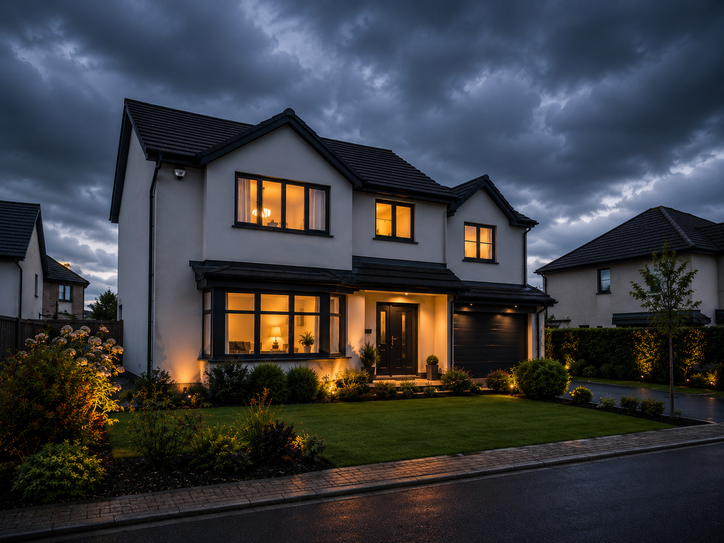
Professional Home CCTV Installation
Keep an eye on your home from anywhere in the world with professional CCTV for homes across Kent, London & East Sussex
Why Install Home CCTV?
-

Deter Burglars & Intruders
A visible CCTV system is one of the most effective deterrents available. Most opportunistic intruders will avoid a property with cameras in favour of an easier target.
-

Stop Parcel Theft
Doorstep parcel theft is one of the fastest growing property crimes in the UK. A doorbell camera or driveway camera captures every delivery — and every theft attempt.
-

Monitor Driveways & Outbuildings
Keep an eye on your vehicles, garage, and outbuildings from your smartphone, whether you're at work, on holiday, or just in another room.
-

Protect Your Holiday Home
Remote viewing means you can check in on an unoccupied property from anywhere in the world. Receive motion alerts the moment something triggers your cameras.
Camera Types We Install
-

Outdoor Bullet Cameras
The most recognisable camera type — a visible deterrent mounted on walls, eaves, or fences. Ideal for covering driveways, front doors, and perimeter areas. Available in HD and 4K resolution with night vision as standard.
-
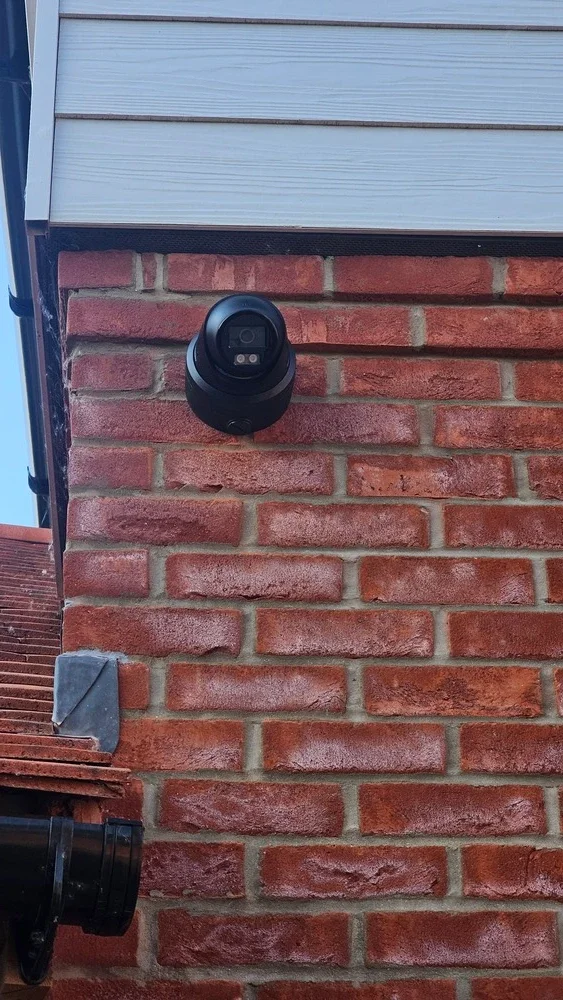
Dome Cameras
A discreet, vandal-resistant design suitable for both indoor and outdoor use. The wide-angle lens covers a broad area and the dome casing makes it difficult to tell which direction the camera is pointing — useful for entrances and garages.
-
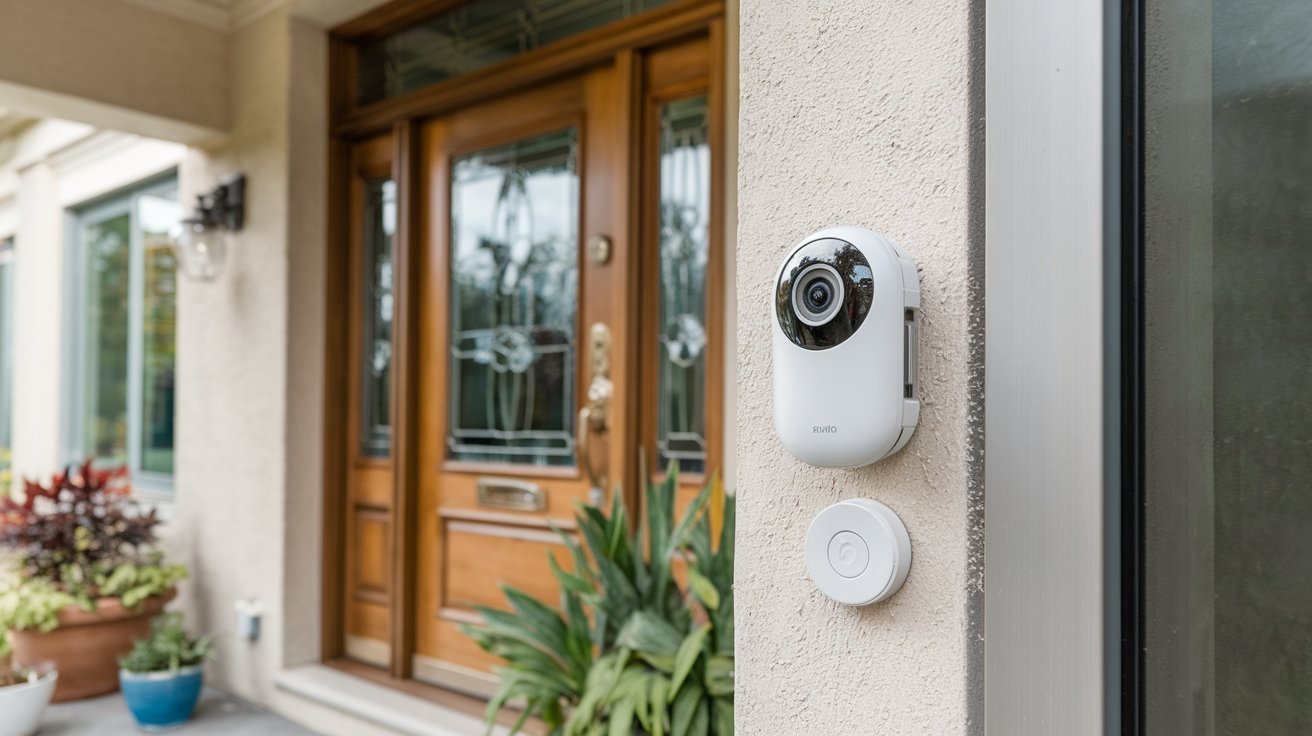
Doorbell Cameras
A smart doorbell with an integrated HD camera, two-way audio, and motion detection. See and speak to visitors from your smartphone — whether you're at home or on the other side of the world.
-

Internal Cameras
Compact indoor cameras for monitoring inside your property. Useful for holiday homes, rental properties, and keeping an eye on valuables. Motion-triggered recording and smartphone alerts as standard.
What Your System Will Include
-
HD & 4K Resolution
Crystal clear footage day and night. Modern systems capture enough detail to identify faces, number plates, and clothing — essential if footage is ever needed as evidence.
-
Night Vision
Infrared night vision as standard on all outdoor cameras. Full colour night vision available on premium systems — capturing colour detail even in complete darkness.
-
Motion Detection
Cameras trigger recording and send an alert to your smartphone the moment motion is detected. Set custom zones to avoid false alerts from trees, passing traffic, or wildlife.
-
Smartphone Access
View live footage from any camera on your smartphone, tablet, or laptop from anywhere in the world. Check in on your home whether you're at work, on holiday, or just in another room.
-
Cloud & Local Storage
Footage stored securely on a local hard drive at your property, in the cloud, or both. Choose your preferred retention period — typically 7 to 30 days of continuous recording.
-
Two-Way Audio
Selected cameras include a built-in microphone and speaker, allowing you to communicate with visitors, delivery drivers, or deter intruders remotely via your smartphone.
Where to Position Your Cameras
Camera placement is one of the most important factors in an effective home CCTV system. Our engineers will recommend the optimal positions at your free survey, but here are the areas most homeowners prioritise:
-

Front Door
The most important camera position for most homes. Captures faces of visitors, records all entry and exit, and deters doorstep theft and opportunistic intruders.
-

Driveway
Covers your vehicles and records anyone approaching the property. Essential for capturing number plates of suspicious vehicles and deterring car crime.
-

Rear Garden
The rear of the property is the most common point of entry for burglars. A rear-facing camera covers the garden, back door, and any side access routes.
-

Garage & Outbuildings
Tools, bikes, and garden equipment are frequent targets. A dedicated camera covering your garage or outbuildings protects high-value items stored away from the main property.
-

Side Access
Side gates and alleyways are blind spots on many properties. A camera covering side access routes closes this gap and prevents undetected entry to the rear.
-

Internal Areas
Indoor cameras for holiday homes, rental properties, and monitoring specific rooms; such as a home office or storage area containing valuables.
Home CCTV & the Law: What You Need to Know
Installing CCTV at your home is perfectly legal, but there are a few straightforward rules to be aware of, particularly if your cameras cover areas beyond your own property boundary.
-
Cameras Pointing Beyond Your Boundary
If your camera captures images of a public pavement, road, or a neighbour's property, you are processing third-party personal data under UK GDPR. You don't need to register with the ICO for domestic use, but you should be aware of your responsibilities.
-
Signage
If your cameras are visible from a public area, it is good practice to display a small notice indicating that CCTV is in operation. This is not a strict legal requirement for domestic use but is recommended.
-
Data Retention
Most home CCTV systems store footage for between 7 and 30 days before overwriting. There is no legal requirement to retain footage for a specific period for domestic use — but if footage is needed for an insurance claim or police report, act quickly before it is overwritten.
-
Sharing Footage
If you need to share footage with the police or an insurer, you are permitted to do so. Never share footage publicly on social media without taking appropriate steps to obscure third parties.
GMSE installs all home CCTV systems with correct positioning and signage advice as standard
How It Works

Free Survey
One of our engineers visits your property, assesses your needs, and recommends the best camera positions and system type for your home. No obligation, no pressure.

System Design
We design a system tailored to your property — selecting the right camera types, resolution, storage, and any smart features you need.

Professional Installation
Our engineers install your system cleanly and efficiently, with minimal disruption to your home. All cabling is neatly concealed wherever possible.

App Setup & Training
We set up remote access on your smartphone, walk you through how to view footage, check recordings, and respond to motion alerts — before we leave your property.
Frequently Asked Questions
-
In most cases, no — installing CCTV cameras on a domestic property does not require planning permission. However, if your property is listed or in a conservation area, you should check with your local planning authority before installation.
-
Your cameras can incidentally capture areas beyond your boundary — such as a pavement or part of a neighbouring driveway — but they should not be deliberately aimed at a neighbour's property. If cameras do capture third-party areas, you should display signage indicating CCTV is in operation.
-
Most home CCTV systems store footage on a local hard drive for between 7 and 30 days before overwriting, depending on the number of cameras and the storage capacity of the system. Cloud storage options are also available for extended retention.
-
Yes — all GMSE home CCTV systems include remote access via a smartphone app. You can view live footage, review recorded clips, and receive motion alerts from anywhere in the world with an internet connection.
-
Yes — home CCTV is completely legal in the UK. If your cameras only cover your own property, no specific legal obligations apply. If they capture areas beyond your boundary, you are advised to display signage and handle any footage responsibly in line with UK GDPR guidance.
Book Your Free Home CCTV Survey
Our engineers cover Kent, London & East Sussex. We'll visit your property, assess the best camera positions for your home, and provide a written quote with no obligation to proceed.
Or call us on 01580 467070