
4G, IP or Dual-Path Alarm Communicators: Which Do You Need Before the PSTN Switch-Off?
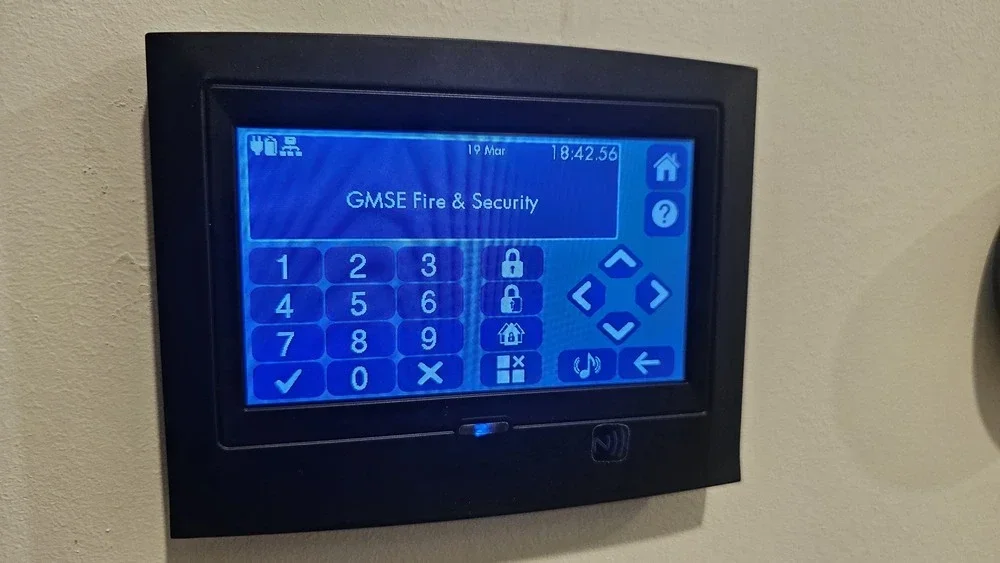
The old analogue phone network is due to close on 31 January 2027, and any alarm that sends its signals down a phone line will need a new route out. That route comes from the alarm communicator, and the choice usually comes down to three options: IP, 4G or dual-path.
Openreach, which runs the network, says customers who have not switched by then may have their service limited and could be moved to a temporary, voice-only emergency service. That is not something to build an alarm's reliability on. Equipment that depends on a phone line can also stop working as soon as the line is moved to a digital service, which may happen before the deadline.
This guide helps you choose between the three options. If you are not sure whether your alarm uses a phone line, our PSTN switch-off page has a quick check, and our earlier article explains what the switch-off means for alarm systems in general. Here, we assume your alarm is affected and look at what should replace the phone line.
What does an alarm communicator do?
Your alarm panel decides when something is wrong. The communicator is the part that tells someone, by sending a signal to a monitoring centre, a keyholder or an app on your phone. Until now, that message has usually travelled down the phone line. A new communicator gives the alarm a new route out, which is why the choice of route matters so much.
IP, 4G and dual-path alarm communicators compared
| Feature | IP (broadband) | 4G (mobile) | Dual-path |
|---|---|---|---|
| How it sends the signal | Over your broadband router | Over the mobile network, using a SIM | Over both, with each acting as a backup for the other |
| What it relies on | Your router, broadband and mains power | A mobile signal where the equipment is fitted | Both of the above, so one failing does not silence the alarm |
| Main weakness | Stops reporting if the router loses power or the broadband drops | Stops reporting if the signal is weak or the network has a fault | More equipment to fit and maintain |
| Often suits | Properties with stable broadband | Properties with weak or changing broadband | Monitored alarms, and anywhere reporting must continue if one route fails |
IP alarm communicators
An IP communicator connects to your router and sends alarm signals over your broadband. It works well where the connection is stable and the router stays powered. The catch is that the alarm can only report as reliably as the router. A power cut, a broadband fault or a change of provider can break the link without anyone noticing.
4G alarm communicators
A 4G alarm communicator uses a SIM and the mobile network, so it does not depend on your broadband at all. That makes it useful where broadband is slow, unreliable or likely to change. It does need a decent mobile signal where the equipment is fitted, which should be tested on site rather than assumed. A multi-network SIM can help, because it can connect to whichever network has the best signal at the time.
Dual-path alarm communicators
A dual-path communicator uses two routes, usually broadband and 4G, so that if one fails the other still carries the signal. The security industry regards this as more resilient than a single route, and insurers generally prefer it because both routes are unlikely to fail at the same moment.
Which alarm communicator suits your property?
There is no single right answer, but these common situations are a good starting point.
An app-controlled home alarm with no monitoring centre. An IP communicator on a stable broadband connection is often enough. If your broadband is patchy, or you might change provider soon, 4G stops the alarm depending on the router.
A monitored home or business alarm. The signal reaching the monitoring centre is the whole point of the system, so dual-path deserves serious consideration. Ask your installer how the monitoring centre will be told if one route fails.
An insurer or police response requirement. Your insurance policy, or the rules for police response, may set out how the alarm must signal. Check the wording before you choose, and ask your installer to confirm that the new route still meets it. Our page on police-monitored alarms has more detail on police response.
A rural property with poor broadband or patchy signal. If broadband is weak, 4G is the natural choice, but only if the signal is reliable where the equipment is fitted. Where neither route is strong, dual-path with a multi-network SIM gives the best chance of a dependable link. A signal test on site is essential.
A business with several premises. Each site has its own broadband and mobile coverage, so the right route can differ from one building to the next. It is worth surveying each one rather than assuming a single answer fits all.
Four things that catch people out
Power cuts. Openreach points out that digital phone lines need power to work, and an IP communicator depends on your router in the same way. If the router goes down in a power cut, the signal has nowhere to go unless the router has battery backup. A 4G communicator does not rely on the router, which is one reason dual-path is the more resilient option. The alarm itself is a separate matter: the panel typically has its own standby battery, and the siren will usually still sound on site. What you lose is the message to the outside world.
Old mobile equipment. If your alarm already uses a mobile communicator, check what type it is. The UK networks have closed 3G, and the government says 2G networks will be switched off between 2029 and 2033. GOV.UK guidance names fire alarms among the devices that will be affected. A unit that only works on 2G or 3G will need replacing.
Router and broadband changes. Switching provider, replacing a router or moving to a digital phone line can all interrupt an IP communicator without warning. Tell your alarm company before you change anything, and ask for the signal to be re-tested afterwards.
No end-to-end test. A communicator that is fitted but never tested proves very little. The new route should be tested so that a real signal reaches the monitoring centre or your phone, ideally before the old phone line is disconnected. Regular servicing is a good moment to repeat the test, so it is worth asking about when you arrange a maintenance package.
Can you keep your existing alarm panel?
Often, yes. In many cases an alarm communicator upgrade is all that is needed: the panel and sensors stay where they are and only the communicator changes, although this depends on the make and age of the panel. Some older panels cannot take a modern communicator, and replacing the system is then the sensible route. A survey is the only reliable way to find out. Our system upgrades page has more on the options, and our intruder alarms page covers complete systems.
Do fire alarms use phone lines too?
This guide focuses on intruder alarms, but monitored fire alarms can also rely on a phone line, so the same switch-off applies. If your fire alarm is monitored, ask about its signalling at the same time as your intruder alarm. Our fire alarm installation page explains what we offer.
Questions to ask your installer before 31 January
Whichever route you lean towards, these questions will help you get clear answers:
Which route do you recommend for this building, and why?
Will the new communicator work with my existing panel, or does the panel need replacing?
How will the monitoring centre, or my keyholders, be told if one route fails?
What happens to the alarm's reporting in a power cut?
Will the new route be tested end to end before the old line is disconnected?
Will the new set-up still meet my insurer's conditions?
With the deadline on 31 January 2027, booking early gives you time to choose properly rather than in a rush. GMSE Fire & Security is SSAIB approved and covers Kent, London and East Sussex. Book a free site survey and we will look at your current set-up and recommend the best PSTN alarm upgrade for your property.
Frequently asked questions
-
Neither is better in every case. IP suits a property with stable broadband and a router that stays powered. 4G suits one with weak or changing broadband and a good mobile signal. If the alarm must keep reporting whatever happens, dual-path uses both.
-
No. A 4G communicator uses a SIM and the mobile network, so it works without your broadband or router. It does need a reliable mobile signal where it is fitted.
-
In most systems the siren is controlled by the alarm panel, so it will still sound on site. What stops is the message to your monitoring centre, keyholder or phone. Ask your installer to confirm how your own system behaves.
-
That depends on your policy and on the rules for police response, so check the wording or ask your insurer. Your installer can confirm whether a single route is enough for your system.
-
Tell your alarm company first. A new provider or router can interrupt the signal, so the link should be re-tested after the change.