
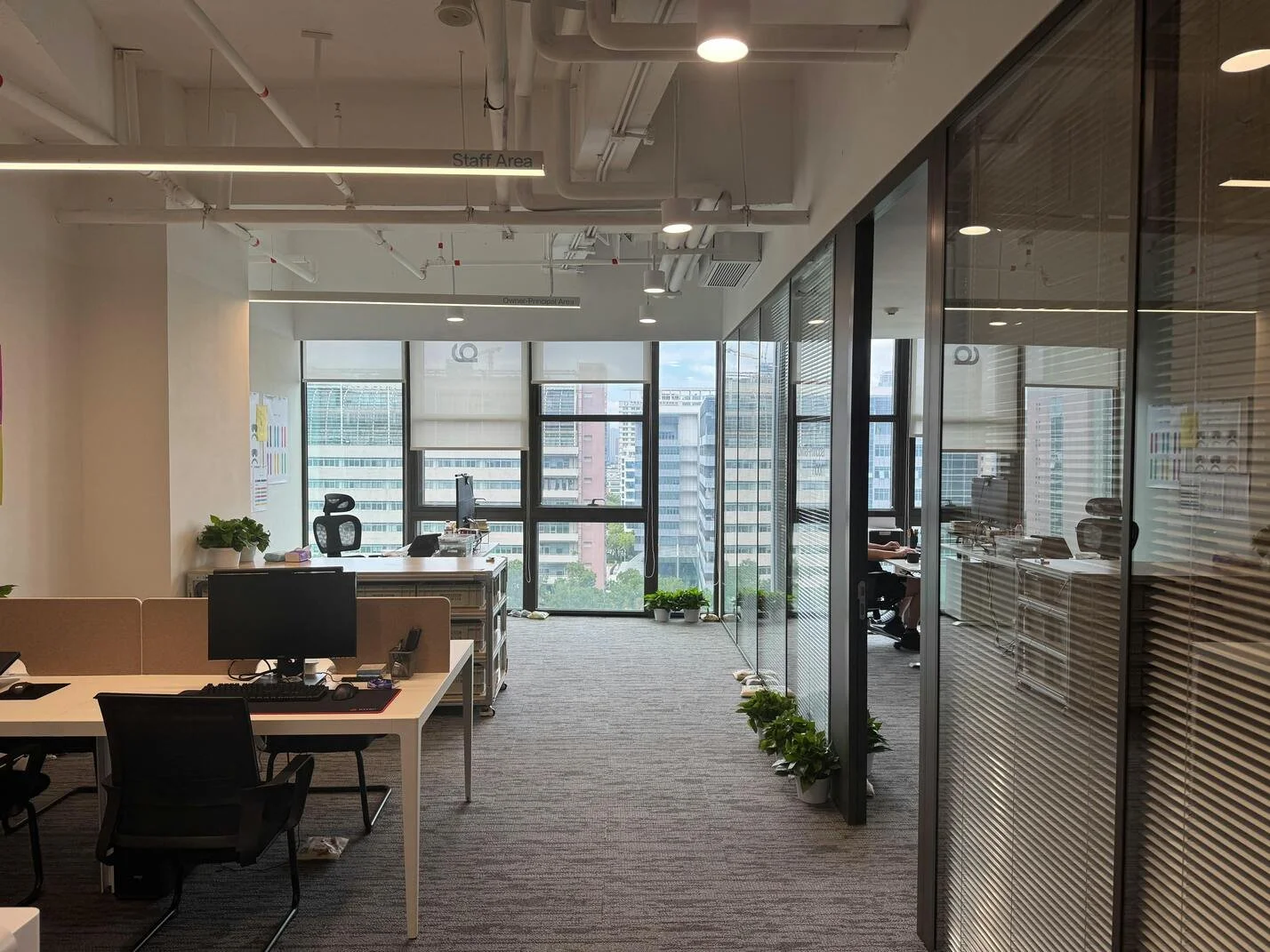
Professional Commercial Fire Alarm Installation
BAFE-certified fire protection for businesses across Kent, London & East Sussex.
Your Legal Obligations as a Business
Under the Regulatory Reform (Fire Safety) Order 2005, every non-domestic premises in England and Wales must have a suitable fire detection and warning system. The responsible person - typically the employer, owner, or occupier - is legally accountable for ensuring compliance.
-
Appoint a Responsible Person
Someone must be formally accountable for fire safety on your premises. This is typically the business owner, employer, or facilities manager.
-
Conduct a Fire Risk Assessment
All non-domestic premises must have a current, documented fire risk assessment. This must be reviewed regularly and updated when circumstances change.
-
Install & Maintain a Compliant System
Your fire detection and warning system must be appropriate for your premises, installed to BS5839 standards, and maintained at regular intervals.
Failure to comply with the RRO 2005 can result in prosecution, unlimited fines, and in serious cases, imprisonment.
Choosing the Right System for Your Premises
Conventional Systems
Best suited to smaller premises with straightforward layouts. The system identifies which zone has triggered but not the specific device. Cost-effective for smaller buildings.
Ideal for:
✅Small offices and retail units
✅Single-floor premises
✅Lower-risk environments
Not sure which system your premises requires?
S5839 provides guidance based on building size and risk level. Our engineers will recommend the correct system at survey stage.
Addressable Systems
Each detector has a unique address, allowing the panel to identify the exact device that has triggered. Essential for larger or more complex buildings.
Ideal for:
✅Multi-floor commercial buildings
✅Warehouses and industrial premises
✅Schools, care homes and hospitality venues
Cause & Effect Programming
Modern addressable fire alarm systems can be programmed to trigger automatic responses across your building when an alarm activates. This is known as cause and effect programming, and it's a critical safety feature for complex commercial premises.
-

HVAC Shutdown
Automatically closes air handling units to prevent smoke spreading through ventilation systems.
-

Lift Recall
Returns lifts to ground floor and holds doors open to assist evacuation and prevent entrapment.
-

Door Release
Releases magnetic door holders on fire doors, allowing them to close and contain the spread of fire.
-

Sprinkler Activation
Triggers sprinkler zones in response to specific detector activation in high-risk areas.
-

Gas Shutoff
Closes gas solenoid valves automatically to remove fuel sources in kitchens or plant rooms.
-

Access Control Integration
Releases electronically held doors to ensure all escape routes are immediately accessible.
Industries We Work With
-

Offices
Fire alarm systems for single and multi-floor office buildings, compliant with BS5839 and insurer requirements.
-

Warehouses & Industrial
Large-area detection including beam detectors for open spaces, integrated with HVAC and sprinkler systems.
-

Retail
Fire protection for public-facing premises, meeting obligations under the RRO 2005 for places open to the public.
-

Hospitality
Hotels, restaurants and leisure venues — systems designed around high occupancy and complex building layouts.
-

Schools & Education
BS5839-compliant systems for educational premises, with minimal disruption during term time.
-

Care Homes
Enhanced detection for vulnerable occupants, with cause and effect programming and monitored systems.
-

Heritage Buildings
Wireless systems for listed buildings and heritage sites where cable runs are not permitted.
-

HMO Blocks
Grade A interlinked systems for larger licensed HMOs and residential blocks.
What We Provide After Every Installation
A compliant fire alarm system isn't just about the hardware - it's about the paperwork. GMSE provides full documentation after every commercial installation, giving you everything you need for insurance purposes, regulatory audits, and ongoing compliance.
✅ Commissioning Certificate Confirms the system has been installed and tested to BS5839 standards. Required by most insurers and essential for demonstrating compliance to regulators.
✅ Zone Chart A clear diagram of your building showing every detector zone, device location, and cause and effect programming. Essential for staff training and emergency planning.
✅ Log Book A full record of the installation, including system settings, device addresses, and maintenance history. Must be kept on site and updated at every service visit.
✅ Maintenance Schedule A documented plan for your ongoing BS5839 maintenance obligations, including visit frequency and what each visit will cover.
Your BS5839 Maintenance Obligations
Installing a compliant fire alarm system is only the first step. BS5839 requires that all commercial fire alarm systems are maintained at regular intervals by a competent engineer. For most premises this means a minimum of two service visits per year.
✅ Full detector testing
✅ Battery backup check
✅ Sounder and beacon testing
✅ Cause & effect verification
✅ Control panel inspection
✅ False alarm analysis
✅ Log book update
✅ Service certificate issued
Not happy with your current maintenance provider?
GMSE can take over the servicing of any installed system, regardless of who originally installed it.
Why Businesses Choose GMSE
BAFE Certified
Independently certified to design, install and maintain fire alarm systems to BS5839 standards, essential for insurance and regulatory compliance.
End-to-End Service
We handle everything from initial survey and system design through to installation, commissioning, and ongoing maintenance — one provider, no handoffs.
FIA Members
Members of the Fire Industry Association, demonstrating our commitment to industry standards and ongoing professional development.
Experienced Commercial Engineers
Our engineers have extensive experience across a wide range of commercial building types and sectors throughout Kent, London and East Sussex.
Peace of Mind:
When a BAFE-certified engineer installs your system, you know it's been done correctly, to the right standard, first time.
Full Compliance Documentation
Every installation comes with commissioning certificates, zone charts, and log books — everything you need for audits, insurers, and regulators.
Frequently Asked Questions
-
The RRO 2005 is the primary piece of fire safety legislation for non-domestic premises in England and Wales. It places legal responsibility on the responsible person — typically the owner, employer, or occupier — to ensure adequate fire detection and prevention measures are in place.
-
Yes. A fire risk assessments should be carried out before any system is designed or installed. It identifies the specific risks in your premises and informs the correct system type, category, and detector placement. GMSE can carry out the assessment and installation as a single service.
-
A conventional system identifies which zone has triggered but not the specific device. An addressable system identifies the exact detector, allowing faster response and more precise evacuation procedures. Addressable systems are recommended for larger or more complex premises.
-
BS5839 requires a minimum of two professional service visits per year for commercial premises, plus weekly testing by a nominated member of staff. GMSE provides a maintenance contract covering all scheduled visits and certification.
-
Yes — GMSE can take over the servicing of any installed fire alarm system regardless of the original installer. We'll carry out an initial inspection, update the log book, and provide ongoing maintenance from that point.
-
Every commercial installation includes a commissioning certificate, zone chart, cause and effect matrix, and log book. These documents are essential for insurance purposes, regulatory audits, and demonstrating compliance to the responsible person.
Request Your Free Commercial Fire Safety Survey
Our BAFE-certified engineers cover Kent, London & East Sussex. We'll assess your premises, identify your compliance requirements, and provide a written quote — with no obligation to proceed.
Or call us on 01580 467070